
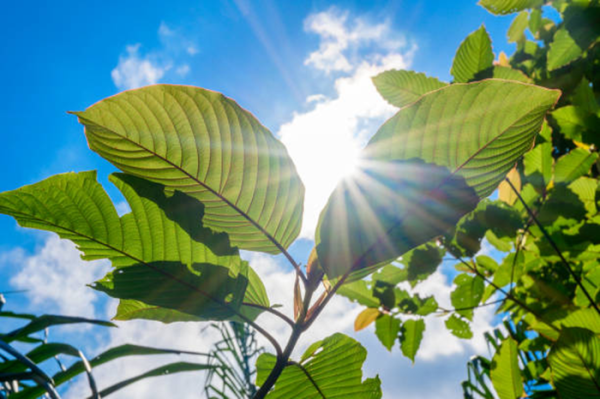
As climate concerns intensify, some advocates are spotlighting kratom as an unlikely partner in sustainable living. Drawing on decentralized cultivation in Southeast Asian jungles, kratom is often grown without clear-cutting land, allowing mature trees and surrounding wildlife habitats to remain largely intact while still supporting local farmers. This approach can reduce pressure to convert rainforest into palm oil plantations, a major driver of carbon emissions and biodiversity loss.
Proponents also highlight kratom’s potential wellness benefits, from mood support to reported uses in sexual health, arguing that a single plant serving multiple purposes may lessen reliance on more resource-intensive products. Advocates say that when sourced from responsible growers, kratom-based products can fit into a broader low-waste, low-carbon lifestyle focused on protecting forests for future generations. For more background, see the original article at eMagazine.


